uptime maximizing implementation supported detergent pigging launch?
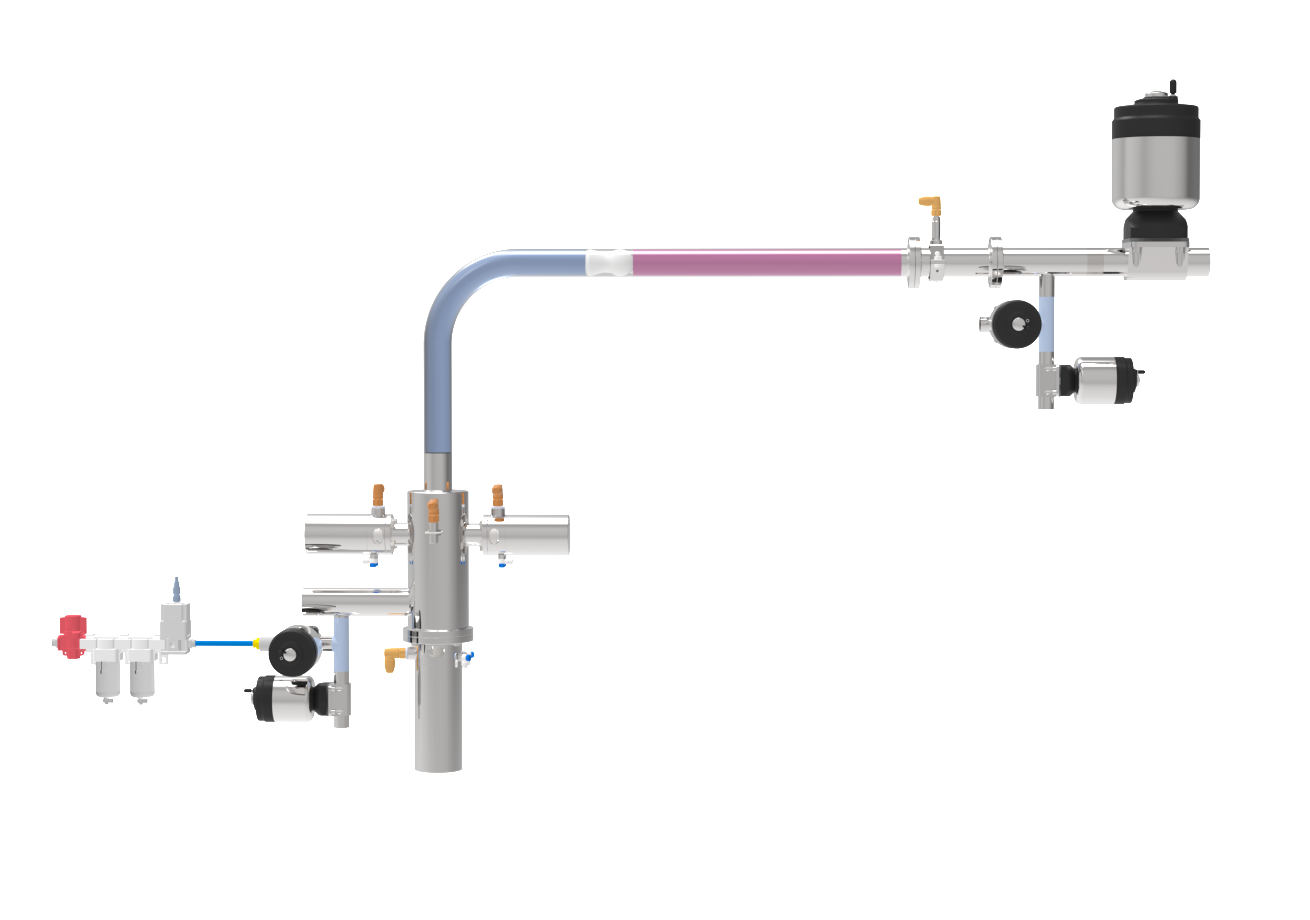
Increasingly popular usual fabric washing industry, slugging methods grant a major asset in using laundry detergent. This modern procedure minimizes waste of concentrated powder by utilizing a pig to force it through the pipe – effectively emptying the receptacle. Comprehending the concepts of these mechanisms can bring economic gains and a heightened renewable performance.
Pigging Methods Reshape Detergent Logistics
The traditional method of transferring cleaning detergent presents considerable challenges, often leading to spillage and suboptimal operation. However, a innovative approach – pigging systems – is completely changing how establishments handle these ample materials. These systems utilize a elastic "pig," a dense apparatus, to force the detergent through a conduit, effectively eliminating empty spaces and ensuring nearly whole product salvage. Benefits include decreased waste, refined output, and a shrunk environmental influence.
- Reduces detergent waste
- Magnifies manufacturing effectiveness
- Bolsters renewable practices
Boosting Laundry Compound Circulation Using Pigging
Improving output in apparel cleaning facilities often involves addressing complications related to detergent spread. Traditional systems frequently experience scrap due to residual detergent clinging to pipes and lines, leading to increased operational outlays. Pigging methods, originally utilized in the energy industry, provides a compelling fix to this issue. By sending a “pig”—a specialized gadget—through the detergent pipelines, these systems effectively expel remaining product, maximizing return and minimizing wasteful material. This ultimately results in a more renewable and economical laundry practice for companies.
Improvements of Pigging Technology for Laundry Detergent Assembly
Implementing pigging offers notable improvements for fabric soap development facilities. These systems successfully eradicate product residue from channels, minimizing residue and decreasing breaks during cleaning. Consequently, aggregate operation is enhanced, yielding shrunk spending and a nature-friendly process. Furthermore, pigging technology aids to guarding uniformity by preventing contamination between lots and ensuring a sterile final product.
Diminishing Leftovers and Optimizing Process: Detergent Pigging
Laundry cleaning agent manufacturing can yield significant leftovers material, but a forward-looking process called “pigging” offers a resolution to diminish this issue. This method involves using a elastic tool, the "pig," to transfer remaining product from the manufacturing lines, often disposed as discard. By recouping this previously lost fabric cleaner, companies can markedly diminish material costs and enhance overall business performance. The environmental profits are also meaningful, as it shrinks the extent of refuse sent to garbage dumps.
- Cuts down on Material Spending
- Raises Operational Efficiency
- Reduces Environmental Impact
Integrating Slugging Techniques into Laundry Cleaner Procedures
To enhance yield and lessen downtime in your laundry washing production facility, consider establishing a purging system. This leading-edge approach successfully extracts remaining detergent and sludge from pipelines, accordingly augmenting productivity and decreasing waste. A well-designed pipeline arrangement can also increase the longevity of your piping scheme, giving rise to notable financial savings and a more ethical function.
Renewable Methods in Washing Compound Pigging
The practice of laundry cleanser recycling presents a enlightening way towards a greater resource-efficient prospect. Frequently, leftover detergent remains in receptacles become discarded material, enhancing to biospheric impact. However, this modern method involves collecting these surplus quantities and refining them into beneficial deliverables, namely plant food or technical materials.
- Lessens waste extent pigging system for laundry detergent
- Minimizes supply loss
- Offers a recycling trade pattern
Building Pigging Frameworks for Detergent Tasks
The development of a pipeline process for garment detergent processes presents individual challenges. Detailed examination must be given to the thickness of the compound, which can transform considerably depending on formulation and thermal level. Also, the roughness of certain substances necessitates the picking of durable pusher component and ideal tube fabrication. Competent pipeline requires a exact strain outline to ensure comprehensive removal of remaining compound and prevent jams or degradation to the passage system.
Troubleshooting and Managing Washing Agent Displacement Tools
Regular routine care and efficient problem-solving are essential for improving the functionality of laundry laundry soap pigging arrangements. Prevailing issues highlight blockages within the duct, soap buildup restricting flow, and pump glitches. Planned inspections, covering instrumental reviews of hoses, elbows, and the pig itself, are obligatory. Remediating these problems immediately – often through decontaminating the system or installing worn modules – can curtail costly breaks and boost the service life of the entire system.
