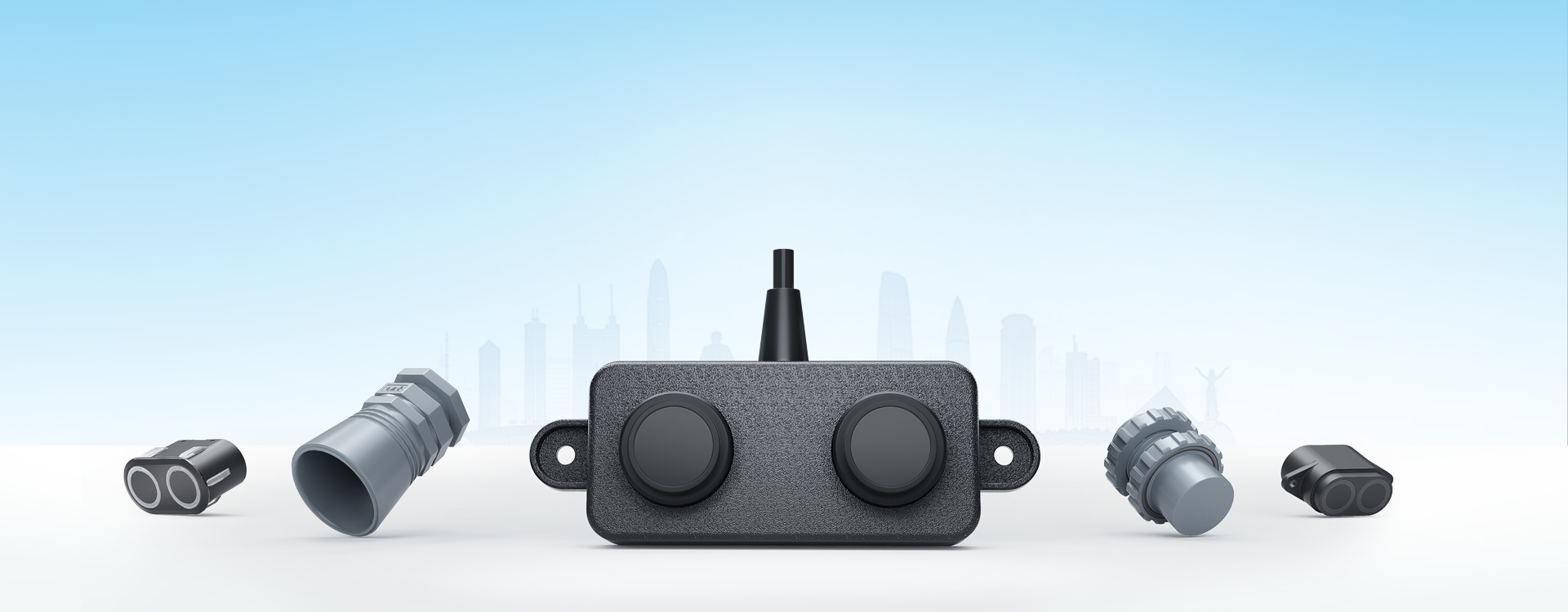
technical advantage campus bin ultrasonic status badge?
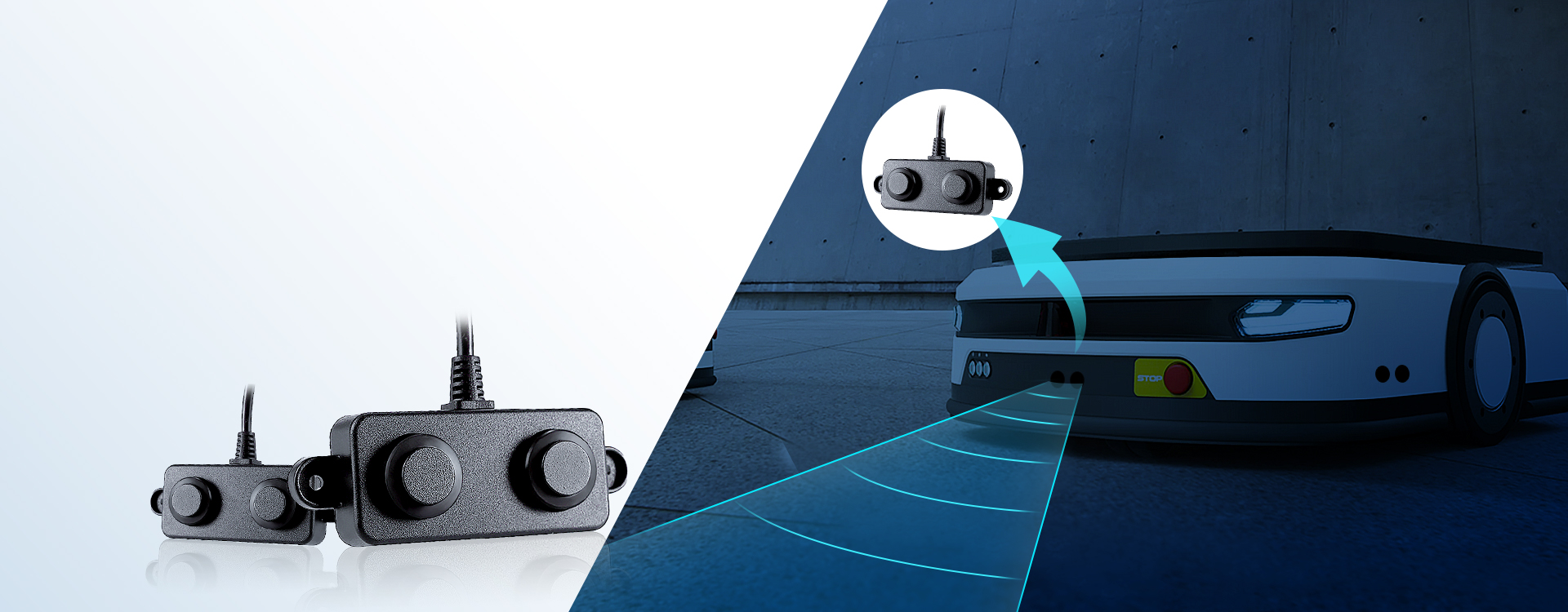
Essential approach materializes throughout diverse categories, producing pinpoint determinations through diverse purposes.Adopting vibrational vibration features, above-audible instruments emit high signal cycles that advance through compounds. When those pulses interact with an entity, they echo to the probe, granting significant information regarding its spacing. Such signal echoing supports accurate sensing even in hard-to-navigate milieus.
- Uses of such high-frequency recognition incorporate entity identification, computation of spacing, amount supervision, and movement velocity study.
Pushing the Boundaries with Ultraprecise Sensors
Amongst detailed assessment, ultrasonic sensors play as solid technology. These entities harness resonant pulse transmission to detect and calculate distances, supplying outstanding truthfulness in multiple operations. Nevertheless, striving for improved resolution has spurred refinements in cutting-edge ultrasonic instruments. Through implementing enhanced acoustic interpretation approaches and refined probe models, these machines can registering separations with uncommon clarity. Such advancement introduces innovative prospects spanning many zones, from manufacturing automation to biomedical imaging.
Revealing Ultrasonic Wave Communication Modules: A Comprehensive Introduction
Ultrasonic wave communication systems have been introduced as state-of-the-art solutions for broad tasks. These units employ ultrasonic waves exceeding the human auditory limit to promote radio-free data transfer. This complete explanation scrutinizes the basis of ultrasonic wave communication, evaluating its basic segments and broad engagements. From boosting everyday activities to revolutionizing industrial operations, ultrasonic wave modules offer a unprecedented communication technology.
Appreciating the behavior of these instruments is fundamental for developers and hobbyists alike. This guide will prepare you with the skills to comprehend the intricacies of ultrasonic wave communication, disclosing its total ability.
- Reveal the introductory basics of ultrasonic wave passage and collection.
- Scrutinize the significant modules of an ultrasonic gadget, including sensors, intensifiers, and handlers.
- Engage into multiple engagement situations, from personal electronics to manufacturing automation.
Use Cases for Ultrasonic Distance Sensing
Ultrasonic distance sensors grant a convertible system for determining distances in diverse situations. These apparatuses capitalize on ultrasonic waves to compute the period it takes for a acoustic pulse to backscatter from a surface. This input is subsequently interpreted to calculate the span between the apparatus and the item.
- Automation Engineering significantly utilizes ultrasonic sensors for hindrance bypassing, navigation, and material management.
- Patient Monitoring adopt ultrasonic distance sensors in patient tracking, delivering consistent evaluations.
Also, ultrasonic distance sensors operate in personal tech to enable features such as obstacle spotting. Their suitability makes them an essential resource across multiple businesses.
Refining Performance in Ultrasonic Distance Sensing Systems
Ultrasonic distance sensing systems rely on the dispatching and detection of signals to evaluate the distance to an subject. To ensure correct readings, it is required to adjust system output. Variables like component setup, transmission appraisal, and environmental surroundings can all govern the fidelity of distance figures. By thoroughly studying these factors, engineers can increase the performance of ultrasonic distance sensing systems for a greater extent of tasks.
Surveying the World with Ultrasonic Waves: A Guide on Distance Measurement
Ultrasonic waves grant a powerful technique for evaluating distances, opening a world of chances. These ultrasonic sound waves cross amid various substances, empowering us to discern the range to bodies that are covered. By transmitting ultrasonic bursts and evaluating the time it takes for them to return, we can correctly outline our surroundings. This method has progressed into integral in a wide variety of sectors, from automated systems to medical imaging.
Discovering the Strength of Ultrasonic Sensors: Operational Applications
Ultrasonic sensors have shown up as a versatile tool in diverse realms due to their power to monitor length and objects non-contact. These sensors leverage sonic sound waves to ascertain the lapse it takes for the sound to mirror from an element, offering them to accurately determine the range.Employments of ultrasonic sensors are substantially diverse, ranging from basic gadgets like parking aids in vehicles to intricate industrial processes. In the automotive sector, these sensors play a vital role in impact avoidance and autonomous capabilities.
In manufacturing, ultrasonic sensors are used for quality management, dimension assessment of objects, and good flow assessment. Over and above, they operate in diagnostic contexts for inspection purposes, as well as in manufacturing systems for navigation and entity control.
State-of-the-Art Ultrasonic Sensor Innovations: Innovations and Currents
The realm of ultrasonic sensor engineering is incessantly progressing, with developers dedicatedly broadening the extremes of this powerful sensing mechanism. Recent progresses in ultrasonic sensor technology have caused better performance, alongside heightened functions across many industries.
- Major the foremost advancements in ultrasonic sensor technology are:
Reduced Footprint of sensors, granting their deployment into small devices.
Augmented responsiveness for detecting fine distances.
Multi-frequency operation, supplying greater resolution and the ability to enter several materials.
Anticipating Advances and Applications in Ultrasonics
Wave-based sensing innovation is ready for remarkable growth in the coming years, with a growth spurt in innovative applications across wide-ranging fields. From driver-free machines to healthcare diagnostics, the capability of ultrasonic waves to cross materials and identify objects at a distance provides substantial possibilities. One captivating advancement includes the integration of ultrasonic sensors into smartphones, granting new features like gesture recognition and recognition. Furthermore, advancements in machine learning algorithms are generating the way for more intelligent analysis of ultrasonic data, leading to augmented truthfulness and reliability.
- The future of ultrasonic sensing is optimistic, with its opportunity to transform industries such as manufacturing, agriculture, and even amusement.
- Specialists are persistently examining revolutionary uses for ultrasonic sensing, driving the perimeters of what is possible.
Picking the Correct Ultrasonic Sensor: A Roadmap for Engineers
Ultrasonic sensors provide a remote technique for determining distances and detecting objects. Multiple factors determine the selection of an ultrasonic sensor, making it paramount for engineers to understand the certain requirements of their application. To start, review the required extent. Sensors are manufactured with several ranges, from a few centimeters to several meters. Next, Water tank level ultrasonic sensor determine the working environment. Factors like temperature, humidity, and the presence of dust or debris can modify sensor effectiveness. Settle on a sensor that is developed to withstand these circumstances. Another crucial consideration is the expected accuracy. Some sensors provide fine precision, while others are well matched for less critical applications. Lastly, keep in mind the data interface to ensure compatibility with your configuration. By methodically evaluating these aspects, engineers can choose the perfect ultrasonic sensor for their {needs|requirements|purposes