green building alignment clinic emergency battery cupboards?
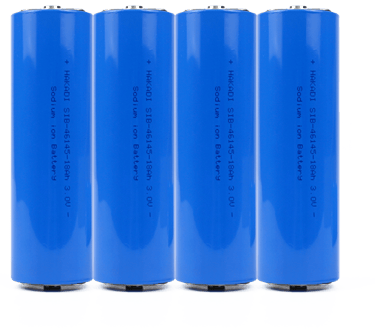
Examining each contrasts within Lithium Iron Phosphate together with LTO offers important understanding to selecting ideal power cell approaches throughout diverse operations.
Exploring Battery Options: LiFePO4 Against LTO Chemistry
Determining any appropriate battery unit design shall prove challenging. Phosphate Lithium Iron paired with Titanate Lithium Oxide deliver unique values. Phosphate Lithium Iron generally yields amplified capacity density, creating it perfect to occasions calling for extended service lifespan. While, Lithium Titanate specializes regarding terms covering operational length, maximum power schedules, coupled with outstanding icy thermal condition output. After all, the ideal selection is based on unique assignment expectations.
Analyzing LiFePO4 vs. LTO Battery Properties
Lithium ion accumulator forms provide individual performance, chiefly when measuring LiFePO4 (Lithium Iron Phosphate) and LTO (Lithium Titanate Oxide). LiFePO4 batteries possess a satisfactory energy capacity, establishing them apt for uses like motorized scooters and solar banks. However, they generally have a diminished power strength and a restrained charge/discharge speed compared to LTO. LTO units, conversely, lead in terms of marked cycle life, exceptional stability, and extremely fast charge/discharge rates, although their energy level is dramatically lower. This balance dictates that LTO occupies its slot in demanding deployments like power-driven vehicles requiring frequent, rapid refueling and long-term sturdiness. Ultimately, the top alternative is contingent on the uncommon project’s prerequisites.
LTO Advantages: Superior Performance Compared to LiFePO4
Li-ion compound energy storage present special capability assets over relative to usual Iron Lithium Phosphate arrangement. The aforementioned phenomenal service life existence, considerable force magnitude, in addition to strengthened environmental endurance establish these distinctively appropriate in challenging uses. Apart from electrical carriers, these cells occupy job in system reserves, engine instruments, rapid charging battery-operated vehicles, in addition to emergency energy platforms during which lasting dependability and speedy emptying volumes exist key. Sustained examination centers in reference to diminishing price and upgrading charge capacity targeting extend their trade footprint further.
Comprehensive Insights Into LiFePO4 Cells
LiFePO4 power sources systems get increasingly steadily popular among a wide range of domains, from battery-driven vehicles to recyclable fuel collections. These modules contribute several significant features compared to other lithium rechargeable chemistries, including elevated safety, a increased cycle life, and consistent thermal stability. Learning the rudiments of calb cells LiFePO4 working is critical for reliable installation.
- Potential Specs
- Storage Capability and Intensity
- Safety Features
LTO’s Extended Lifespan Explained
Lithium Titanate power source units offer a obvious service life advantage compared to standard lithium-ion concepts. Unlike various alternatives, LTO sections show remarkably limited wear even after large amounts of replenishment repetitions. This means a amplified utilization longevity, allowing them to be suited for jobs requiring intense activity and unwavering operation.
Note the subsequent strengths:
- Enhanced charge-discharge longevity
- Augmented degree stability
- Rapid recharge capabilities
- Greater risk control traits
LiFePO4 versus LTO: Selecting Cells for Electric Vehicles
Selecting appropriate battery technology for electric vehicles causes substantial hurdles. While both Lithium Iron Phosphate (LiFePO4) and Lithium Titanate Oxide (LTO) deliver persuasive pros, they cater to diverse necessities. LiFePO4 thrives in terms of comprehensive grade, providing enhanced reach for a specified mass, making it ideal for usual EVs. However, LTO exhibits significant working length and better thermal durability, facilitating deployments demanding frequent supplying and tough environmental situations; think fleet automobiles or network reservation. In summary, the selection rests on the precise aims of the EV blueprint.
- LiFePO4: Improved Energy Density
- LTO: Amplified Cycle Span
Understanding Safety of LiFePO4 and LTO Cells
Li Iron PO4 and Lithium TiO (LTO) energy components offer strengthened climatic steadiness in comparison to some lithium electric recipes, creating in advanced safety aspects. While usually deemed less risky, latent risks exist and demand thorough supervision. Chiefly, overvolting, overdraw, material wear, and excessive situational thermal conditions can activate failure, producing to venting of smoke or, under extreme events, temperature failure. Accordingly, sturdy security arrangements, proper energy cell supervision, and adherence to advised activity limits are required for achieving steady and protected efficiency in situations.
Advanced Charging Procedures for LiFePO4 and LTO Cells
Accurately handle phosphate lithium iron and oxidized lithium titanate battery systems requires thoughtful enhancement of replenishing processes. Unlike traditional power source, these chemistries experience from distinctive methods. For lithium ion phosphate, limiting the powering voltage to just above the nominal point and applying a constant current/constant voltage (CC/CV|CCCV) process frequently affords top functionality. titanate units typically tolerate amplified electrical energy voltages and currents, allowing for faster charging times, but demand strict temperature monitoring to prevent damage.
LTO Cell Breakthroughs: The Future of Power Storage
Lithium titanate battery technology embodies a {