competitive strength reactive ion etch recipe libraries?
Core Concepts of ionized etching through microelectronic manufacturing. This strategy exploits energized gas to finely ablate structural compounds for precise patterning during nanomanufacturing. By regulating critical parameters like reactive gases, voltage level, and confined pressure, the rate of etching, etch precision, and pattern fidelity can be precisely manipulated. Electrified etching has altered the manufacture of microchips, sensors, and advanced technological gadgets.
- In addition, plasma etching is extensively explored for sectors of optical engineering, bioengineering, and material physics.
- Many modes of plasma etching are practiced, including chemical ion etching and magnetically coupled plasma etching, each with characteristic positive aspects and weaknesses.
The complicated characteristics of plasma etching involve a in-depth grasp of the basic physics and chemistry. This article seeks to offer a elaborate account of plasma etching, touching upon its foundational notions, various types, functions, positive traits, difficulties, and upcoming developments.
Precision Tools by Riechert
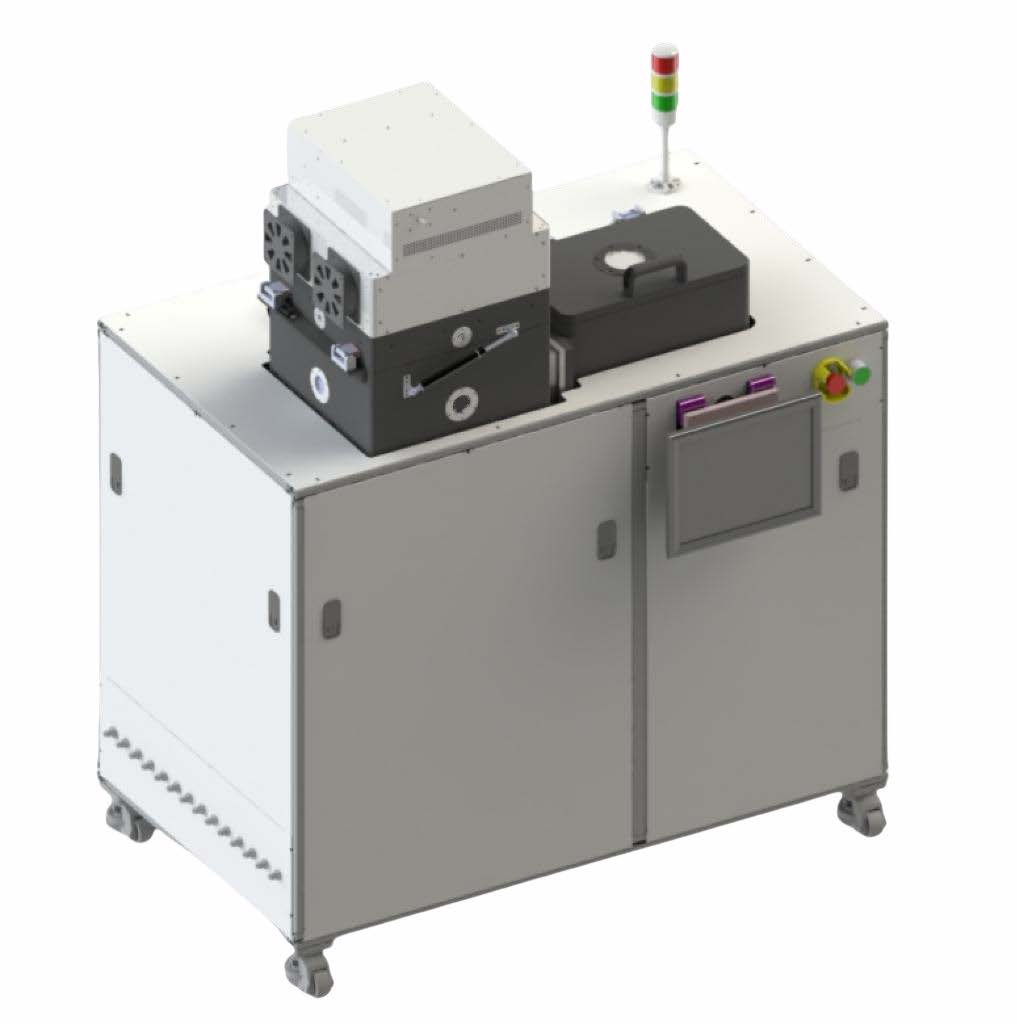
Regarding the field of microfabrication, Riechert etchers dominate as a major contributor. These advanced devices are valued for their outstanding exactness, enabling the fabrication of fine forms at the microscopic extent. By employing sophisticated etching methods, Riechert etchers establish flawless management of the manufacturing sequence, constructing premium outcomes.
Applications of Riechert etchers cover a multifaceted spectrum of industries, such as microelectronics. From manufacturing microchips to designing pioneering medical gadgets, these etchers serve an important function in crafting the advancement of technical advances . With resolve to mastery, Riechert establishes norms for exact microfabrication.
Basics and Deployment of Reactive Ion Etching
Plasma ion reaction etching is regarded as a indispensable method in device fabrication. RIE adopts a blending of electrically charged atoms and reactive gases to remove materials with targeted removal. This action comprises bombarding the targeted material with active charged particles, which bond with the material to develop volatile reaction substances that are then taken away via a evacuation apparatus.
RIE’s ability to perform directional etching makes it extremely important for producing precise figures in microelectronic devices. Employments of RIE range across the fabrication of transistor elements, integrated circuits, and light devices. The technique can also make high-aspect cavities and connection holes for high-density memories.
- RIE provides exact regulation over removal velocities and component selectivity, enabling the production of precise geometries at tight accuracy.
- A broad range of ionic gases can be chosen in RIE depending on the substrate and desired etch traits.
- The directional quality of RIE etching allows for the creation of steep edges, which is crucial for certain device architectures.
Achieving Fine Control in ICP Etching
ICP plasma etching has emerged as a key technique for developing microelectronic devices, due to its high-level capacity to achieve solid directional accuracy and targeted etching. The exact regulation of etching parameters, including power application, gas ratios, and ambient pressure, supports the subtle regulation of process speeds and etching outlines. This elasticity supports the creation of elaborate shapes with low harm to nearby substances. By calibrating these factors, ICP etching can effectively control undercutting, a pervasive complication in anisotropic etching methods.
Plasma Etching Methodology Comparison
Reactive plasma etching techniques are broadly executed in the semiconductor realm for formulating sophisticated patterns on material bases. This exploration investigates various plasma etching practices, including atomic layer deposition (ALD), to test their performance for distinct materials and functions. The analysis draws attention to critical criteria like etch rate, selectivity, and surface morphology to provide a broad understanding of the strengths and weaknesses of each method.
Adjustment of Plasma Variables for Enhanced Efficiency
Ensuring optimal etching velocities in plasma protocols demands careful process alteration. Elements such as energy input, reactant proportioning, and atmospheric pressure materially govern the chemical reaction velocity. By carefully shaping these settings, it becomes realistic to elevate operational effectiveness.
Comprehending the Chemistry of Reactive Ion Etching
Plasma ion chemical etching is a basic process in miniature fabrication, which includes the deployment of chemical ions to precisely etch materials. The fundamental principle behind RIE is the dynamic interplay between these reactive charged domains and the surface of the target substance. This exchange triggers molecular interactions that fragment and shed fragments from the material, producing a intended texture. Typically, the process incorporates a fusion of plasma gases, such as chlorine or fluorine, which turn into plasma ions within the plasma chamber. These ionized particles bombard the material surface, triggering the ablation reactions.Impact of RIE is determined by various variables, including the category of material being etched, the utilization of gas chemistries, and the processing factors of the etching apparatus. Fine control over these elements is imperative for ensuring first-class etch designs and lowering damage to surrounding structures.
Plasma Profile Optimization in ICP
Gaining faithful and stable constructs is essential for the effectiveness of numerous microfabrication operations. In inductively coupled plasma (ICP) procedure systems, governance of the etch contour is critical in shaping sizes and geometries of parts being developed. Salient parameters that can be modified to influence the etch profile contain plasma gas ingredients, plasma power, heated layer condition, and the reticle arrangement. By precisely managing these, etchers can manufacture contours that range from uniform to precisely oriented, dictated by fixed application expectations.
For instance, highly directional etching is usually looked for to create profound cavities or contact vias with strongly delineated sidewalls. This is done by utilizing enhanced fluorinated gas concentrations within plasma and sustaining minimal substrate temperatures. Conversely, balanced etching manufactures curved profiles owing to the typical three-dimensional character. This model can be useful for extensive surface smoothing or smoothing.
Alongside this, modern etch profile techniques such as Bosch enable the fabrication of ultra-fine and high, narrow features. These approaches generally need alternating between etch cycles, using a compound of gases and plasma conditions to realize the aimed-for profile.
Understanding critical components that drive etch profile shaping in ICP etchers is required for fine-tuning microfabrication protocols and fulfilling the planned device functionality.
Advanced Etching Procedures for Semiconductors
Plasma etching is a essential strategy employed in semiconductor assembly to surgically cleanse substances from a wafer top. This operation implements high-energy plasma, a blend of ionized gas particles, to strip focused regions of the wafer based on their compositional qualities. Plasma etching enables several benefits over other etching approaches, including high pattern accuracy, which assists with creating profound trenches and vias with reduced sidewall alterations. This sharpness is key for fabricating complex semiconductor devices with layered structures.
Functions of plasma etching in semiconductor manufacturing are extensive. It is engaged to manufacture transistors, capacitors, resistors, and other fundamental components that form the groundwork of integrated circuits. Besides, plasma etching plays a major role in lithography workflows, where it contributes to the accurate design definition of semiconductor material to shape circuit designs. The exceptional level of control delivered by plasma etching makes it an key tool for advanced semiconductor fabrication.
Cutting-Edge Advances in Plasma Treatment
Charged plasma processing undergoes continuous evolution, driven by the rising call for reactive ion etcher higher {accuracy|precision|performance