Assessing practical design benefits Which embedded platform offers better hardware acceleration arm or x86 SBCs
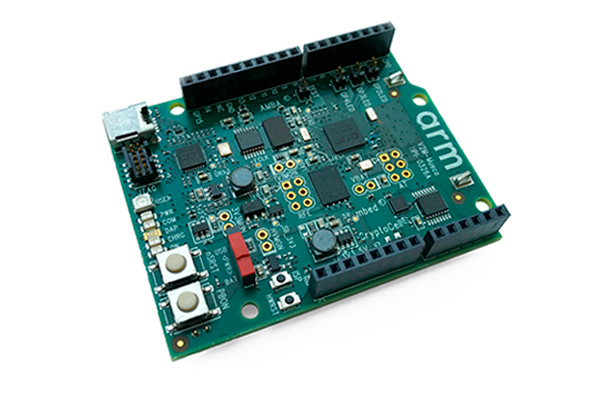
For a long time, the IT field has been influenced by two fundamental blueprints: ARM in comparison to x86. Both models display singular features, leading to a heated rivalry over market dominance. While x86 as the experienced design, has long held the crown in consumer and corporate computing areas, ARM's growth has been truly remarkable.
The operational effectiveness advantage of ARM, coupled with its flexibility, has made it a favorite choice for nomadic devices and ingrained systems. However, ARM is now seeking to conquer new markets, including portable computers and computing centers. Such ambitions have unsettled the well-established x86 titans, who are answering by enhancing features to maintain dominance.
- Major divergences in layouts influence operation speed, power consumption, and overall system design.
- The evolving needs of consumers are driving the demand for more optimized computing solutions.
Finally, the struggle of ARM and x86 unfolds as a lively and mutable environment, with both platforms continuously evolving to meet the demands of a rapidly changing world. The outcome of this fight remains to be seen, but one thing is certain: the future of computing will be shaped by the innovations and advancements of these two titans.
best x86 sbcComparing ARM and x86 for Processing Power
In the ever-evolving landscape of computing, selecting the superior processing structure can be a complex assignment. Two titans dominate the market: ARM and x86. Both offer compelling qualities, but their performance behaviors diverge significantly. This detailed analysis delves into the intricacies of each architecture, empowering you to make an informed resolution.
- Functionality
- Electrical Consumption
- Investment
We'll explore benchmarks, real-world cases, and the merits of each architecture, helping you choose which platform best suits your required specifications.
Why ARM is Winning Over x86 in Embedded Systems
ARM CPUs hold significant sway over the embedded technology sector. This expansion arises from important underlying causes. First, ARM's structure is fundamentally resource-saving, making it ideal for devices with limited power budgets. Second, the ARM ecosystem offers a massive and lively consortium of developers and hardware partners, providing ample support and innovation. Finally, ARM's licensing model allows customization for targeted implementations, leading to a wide range of remedies. These factors have fused to demonstrate ARM as favored for countless embedded devices, from smartphones to smartwatches and even industrial control systems.
Best x86 SBC for Power Users
Identifying the suitable x86 SBC necessitates evaluation, especially when you're a skilled practitioner. You need a device that can manage heavy computations, offer robust performance, and provide a platform for demanding assignments.
- Multiple reasons point towards the leading SBC pick, including processing power, RAM capacity, storage options, connectivity features, and community support.
- For dedicated experts and specialists, a board with a effective processing core such as Intel i5 or AMD Ryzen 5 is essential.
- Paired with generous memory and high-speed storage demand for smooth and efficient operation.
Resist the temptation of minimalistic SBCs; invest in a platform that can truly empower your endeavors.
Extensive Insight into x86 Single Board Computers
Investigating budget-friendly x86 SBC devices is highly appealing. These portable machines offer immense resources for experimenters. From building connected living setups to coding innovations, x86 SBCs provide a scalable, reasonably priced infrastructure for invention. This guide will equip you to understand the expanding x86 SBC market, revealing advantages of these innovative gadgets.
- Explore the history of x86 SBCs and their impact on the technological landscape.
- Study typical x86 single board systems across criteria and customer groups.
- Know indispensable instruments building an x86 SBC unit.
- Explore software environments for x86 SBCs encompassing OS and programming resources.
- Reveal novel implementations of x86 SBCs within assorted markets.
Emergence of ARM in Personal Computer Sectors
Although often linked to wireless device prominence, ARM architecture is steadily making inroads over traditional desktop realms. Several factors contribute to this pattern, including the increasing demand for energy-efficient computing and the growing popularity of cloud-based applications. Firms like Apple adopt ARM designs for notebook devices, demonstrating the potential for high efficiency. This trend is further fueled by the development of new architectures specifically tailored for desktop workloads. As these innovations mature and become more widely available, we can expect to see ARM's presence grow considerably over the coming years through desktop technology realms.
Evaluating x86 against ARM For Optimal System Performance
As you pick a machine, two prominent CPU structures stand out: x86 and ARM. Both offer distinct capabilities, making the decision a matter of coordinating your needs with the right platform.
x86 the longtime industry standard is renowned for robust performance and a vast software ecosystem It leads in desktops, laptops, and workstations, particularly for demanding tasks like gaming or video production. ARM, on the other hand, accentuates energy efficiency and a compact design. This makes it ideal for mobile devices, embedded systems, and increasingly, distributed computing.
- Evaluate your chief utilization need: Are you a enthusiast? Do you need raw power or frugal energy consumption?
- Scrutinize program matching with CPU types. Not all applications are available on both platforms.
- Balance pricing and accessibility in regard to system decision.
Miniature and Impressive Premium ARM Single Board Computers
Single board hardware has expanded widely, led by ARM cores for multi-use and efficiency. These compact instruments pack a surprising punch, offering incredible capabilities within a small footprint. For hobbyists, makers, and even professionals, ARM-based SBCs provide a flexible platform for everything from learning about electronics to building fully functional constructs. Whether you're looking for a budget-friendly option or a high-performance powerhouse, there's an ARM-based SBC out there to meet your needs.
- Let's explore some of the top contenders in this exciting market!
Benchmarking ARM vs x86 Efficiency Scores
When pitting ARM against the long-standing x86 architecture in benchmark tests we observe some fascinating results. While x86 has traditionally led performance capacity, particularly for high-complexity functions, ARM configurations tirelessly bridge divides, especially in areas like mobile performance and energy efficiency. The recent surge in popularity of ARM-based logic units incorporated into mobile and home computing further fuels this conflict. It's important to note that benchmark results can be affected by numerous variables, including the specific version under review, task demands, and operating platform. Therefore, it's crucial to evaluate evaluations thoughtfully above mere counts.
Does ARM Displace x86 to Prevail as Main Architecture
The tech arena experiences relentless progression, and one of the most compelling movements involve ARM's market climb. While x86 has long controlled the market, ARM's energy-friendly nature draws growing interest. This has led to conjecture that ARM possibly substitute x86 as the dominant architecture.
- Numerous causes drive this trend: ARM's ability to save energy suits mobile tech, ultrabooks, plus data center platforms.
- Additionally, ARM's royalty-free nature encourages collaboration among partners, leading to a diverse selection of processors.
Still x86 upholds dominant industry status. Leading enterprises channel considerable assets into x86 R&D, and older architectures remain active in various environments.
Therefore the future is unpredictable concerning ARM's total dominance over x86. The future of computing is likely to be shaped by a coexistence of both architectures, with each contributing separately to unique usage domains.
Computing's Future ARM and x86 Merge Horizons
The computational framework experiences dynamic evolution. Once distinct architectures, ARM and x86 are now on a collision course, converging to reshape the future of processing power. This convergence presents exciting opportunities for developers and consumers alike. ARM's energy efficiency and compact design have made it the dominant force in mobile devices, while x86 has long reigned supreme in desktops and servers. However, an amalgamation is underway, driven by factors such as the increasing demand for mobile computing and the rise of cloud services.
- This coalescence tends to spawn expanded gadget varieties, powered by hybrid architectures that capitalize on powers of both platforms. This could result in boosted mobile appliances delivering extended uptime paired with efficient server farms.
- Additionally engineers receive broader technological resource collections, enabling them to create innovative applications that break new ground. The future of computing seems highly optimistic, with ARM and x86 convergence playing a pivotal role in shaping the next generation of technology.